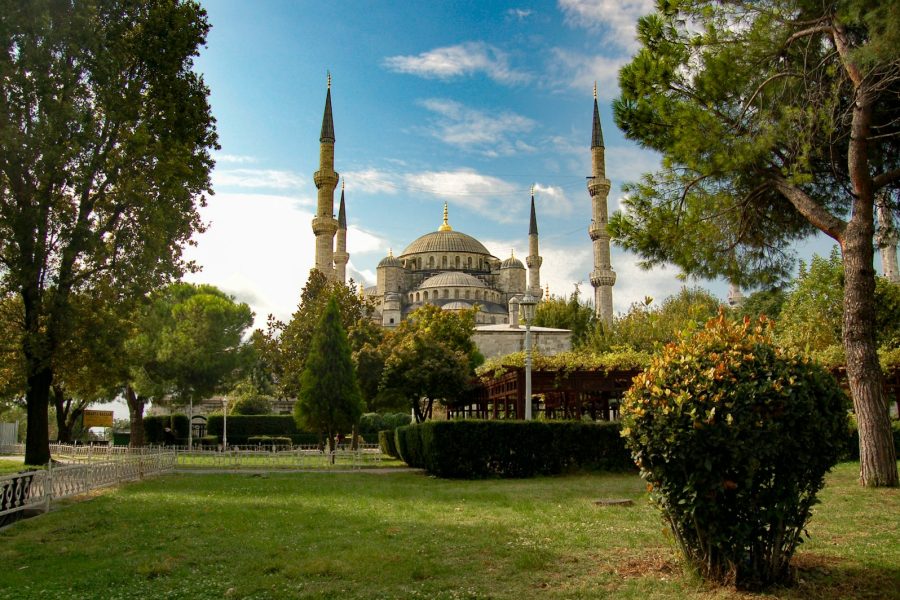
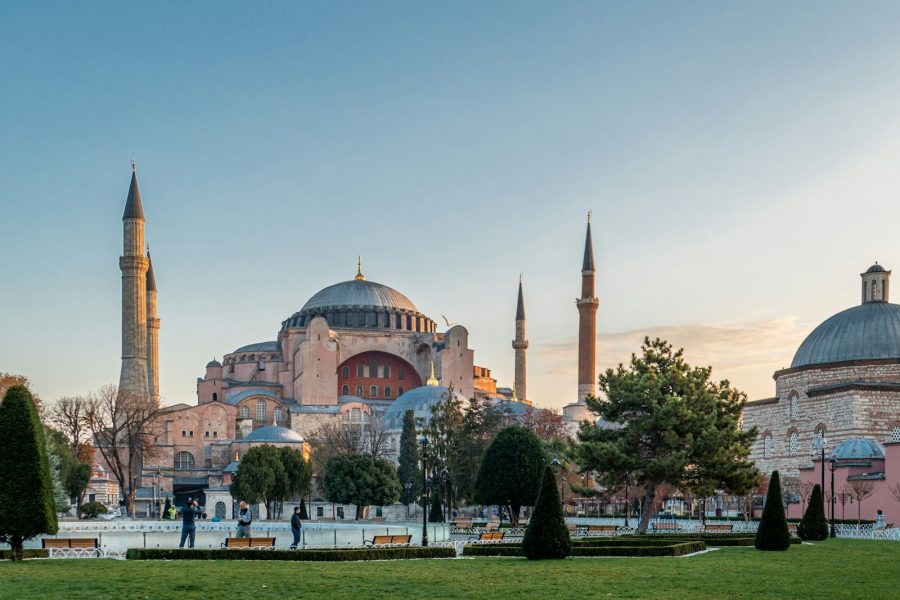
Topkapı occupies the tip of the old peninsula, a short walk from Sultanahmet or Gülhane on the T1 tram. Tickets are timed for the palace; Harem is extra. Buy both if you have the morning — Tiqets is one broker that already holds those timed palace entries. The four courtyards walk you from public to private. The view from the third, over the Golden Horn and the Asian shore, is the room that explains the site. Hagia Sophia and the Blue Mosque are next door. Do not try all three as one gulp.
How a palace became a museum
Mehmed II started it after 1453, on the acropolis of Byzantium. For almost 400 years it was the administrative heart of the Ottoman Empire: the Imperial Council, the kitchens that fed thousands, the Harem, the treasury. In 1856 the court moved to Dolmabahçe on the Bosphorus, a European stone palace, and Topkapı began its second life. In 1924 it opened as a museum. The Holy Relics, the jewelled daggers, the ka’ba keys: this is where empire stored what it took and what it believed.
The Tile Pavilion and the Harem’s tiled rooms are the craft. The Tower of Justice is the skyline from the first court. Tulip gardens in season are not a metaphor; they were policy.
Why it is the other half of Sultanahmet
Search pairs it with Hagia Sophia because they share a hill. People come for the Spoonmaker’s Diamond and stay for a courtyard that still feels like a court. It is popular because it is a palace you walk through, not a mosque you observe from the door, and because the terraces are free with the ticket. The Bosphorus does the rest.
It is also popular for the wrong reason: the same three-stop loop as the Blue Mosque. The palace needs two hours. Give it that or pick the mosaics instead.
If you go
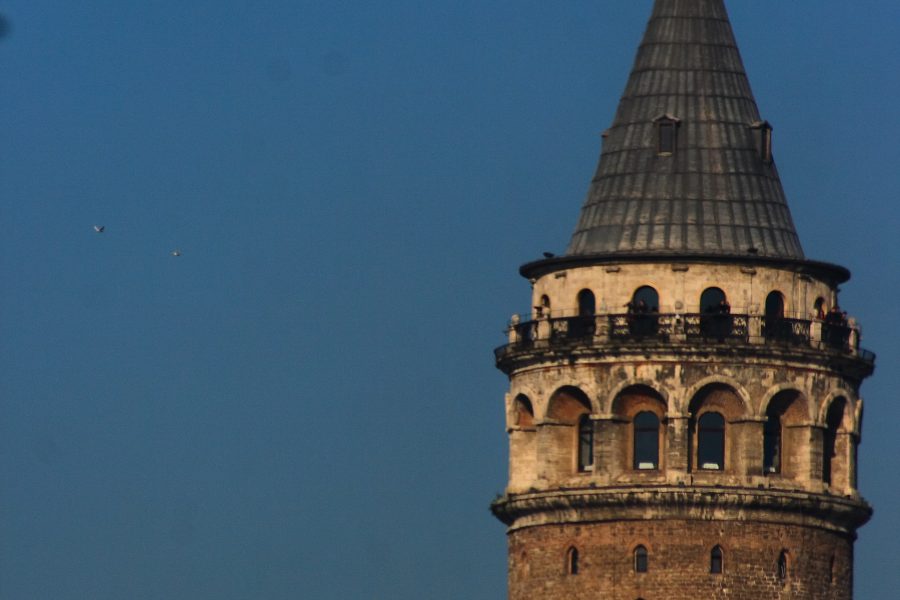
Go at opening, Harem ticket in hand. Modest dress is polite; the Holy Relics room is a shrine. Do not stack Galata Tower the same morning. Gülhane Park on the way out is the decompression. Eat in Sütlüce or Kadıköy later; the restaurants against the palace walls are the queue, not the kitchen.