Sensō-ji sits in Asakusa, on the east side of old Tokyo, a stop on the Ginza and Asakusa subway lines. Kaminarimon, the Thunder Gate with its lantern, is the photograph at the start of Nakamise, a lane of snacks and plastic souvenirs that ends at the treasure house gate and the main hall. The hall is a reconstruction. The incense cauldron in front is the working part: people waft smoke at whatever hurts. The five-storey pagoda is a 1970s concrete rebuild of a wooden idea. Go early. By mid-morning the lane is a shuffle and the hall is a file of cameras.
A temple that kept being rebuilt
Legend puts a golden Kannon in the river in 628; the temple grew from that find. Asakusa was the pleasure and temple quarter of Edo, outside the official city, a place of theatres and pilgrims. The 1923 earthquake and the 1945 firebombs took the buildings. What you walk is postwar concrete in traditional dress, paid for by donations, still a functioning Tendai temple with a Shinto shrine (Asakusa Jinja) beside it. That pairing is normal in Japan and confusing if you want one religion per enclosure.
Nakamise’s shops are a centuries-old idea, reset after each fire. Ningyo-yaki cakes, rice crackers, cheap fans. The lantern at Kaminarimon is replaced when it wears out; the current one is a few years old, always. Skytree, east, is the new vertical. The temple is the old one, even when the timber is not.
Why Asakusa is still the default
People come because it is the most complete temple-and-lane diagram in Tokyo, because Kaminarimon is an easy meeting point, and because the river and the old entertainment district still have food after the incense. It is popular in a way that means you should not treat 11 a.m. as a spiritual hour. Dawn, or evening when the lanterns are lit and the shops are shutting, is a temple in a neighbourhood. New Year, with luck, is a different crowd: Japanese, queueing for hatsumode, not a tour.
The rickshaw touts at the gate are a business. The temple does not need them. A short walk north into quieter streets is still Asakusa.
If you go
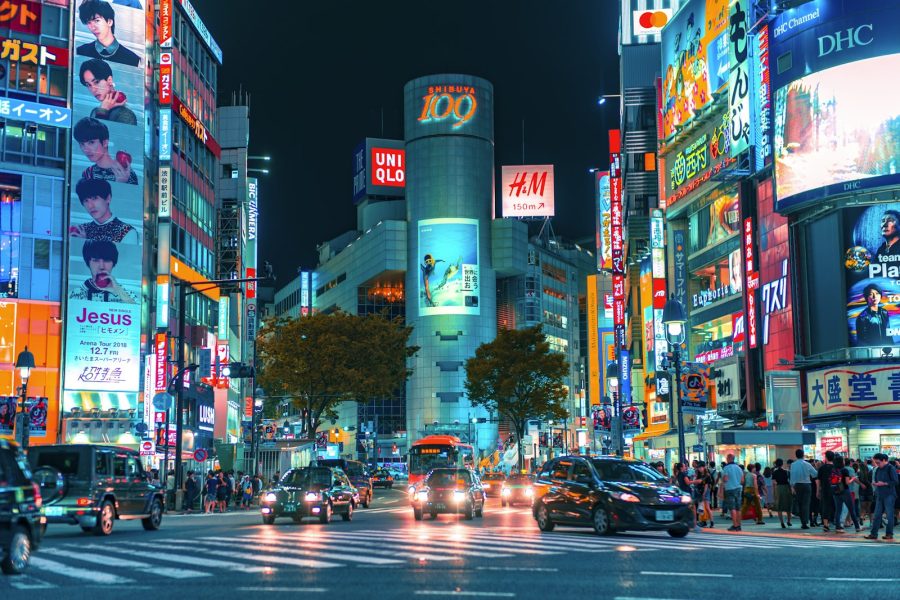
Do Kaminarimon, the hall, the shrine to the side, then the river. Do not stack this with Shibuya Crossing as two photographs of ‘Tokyo’ in one morning unless you like trains more than either place. Modest dress is relaxed here; do not block the cauldron. Eat off Nakamise if you can. The Skytree ticket is a different day and a different idea of height.